CQI-9 — AIAG Heat Treat System Assessment
The mandatory automotive quality assessment requiring regular quench oil testing — CQI-9 compliance is non-negotiable for Ford, GM, and Stellantis supply chains.
What is CQI-9?
CQI-9 — "Heat Treat System Assessment" — is the AIAG (Automotive Industry Action Group) process quality assessment standard for heat treatment operations supplying to the automotive industry. Published in its 4th Edition in 2020, CQI-9 is a mandatory requirement for heat treaters in the supply chains of Ford Motor Company, General Motors, and Stellantis (FCA).
CQI-9 covers the full spectrum of heat treatment operations including carburising, nitriding, through-hardening, induction hardening, and annealing. For quenching operations, CQI-9 Table A3 (Liquid Quench) explicitly mandates periodic quench media testing, requiring cooling curve analysis per ASTM D6200 methodology to verify quench oil or polymer quenchant performance.
Unlike pure test standards (which define a single test method), CQI-9 is a process system assessment that audits the entire heat treatment operation — equipment calibration, temperature uniformity, quench media monitoring, preventive maintenance, and process records. Failure to demonstrate CQI-9 compliance can result in customer audit failures and supply chain disqualification.
Apparatus & Key Specifications
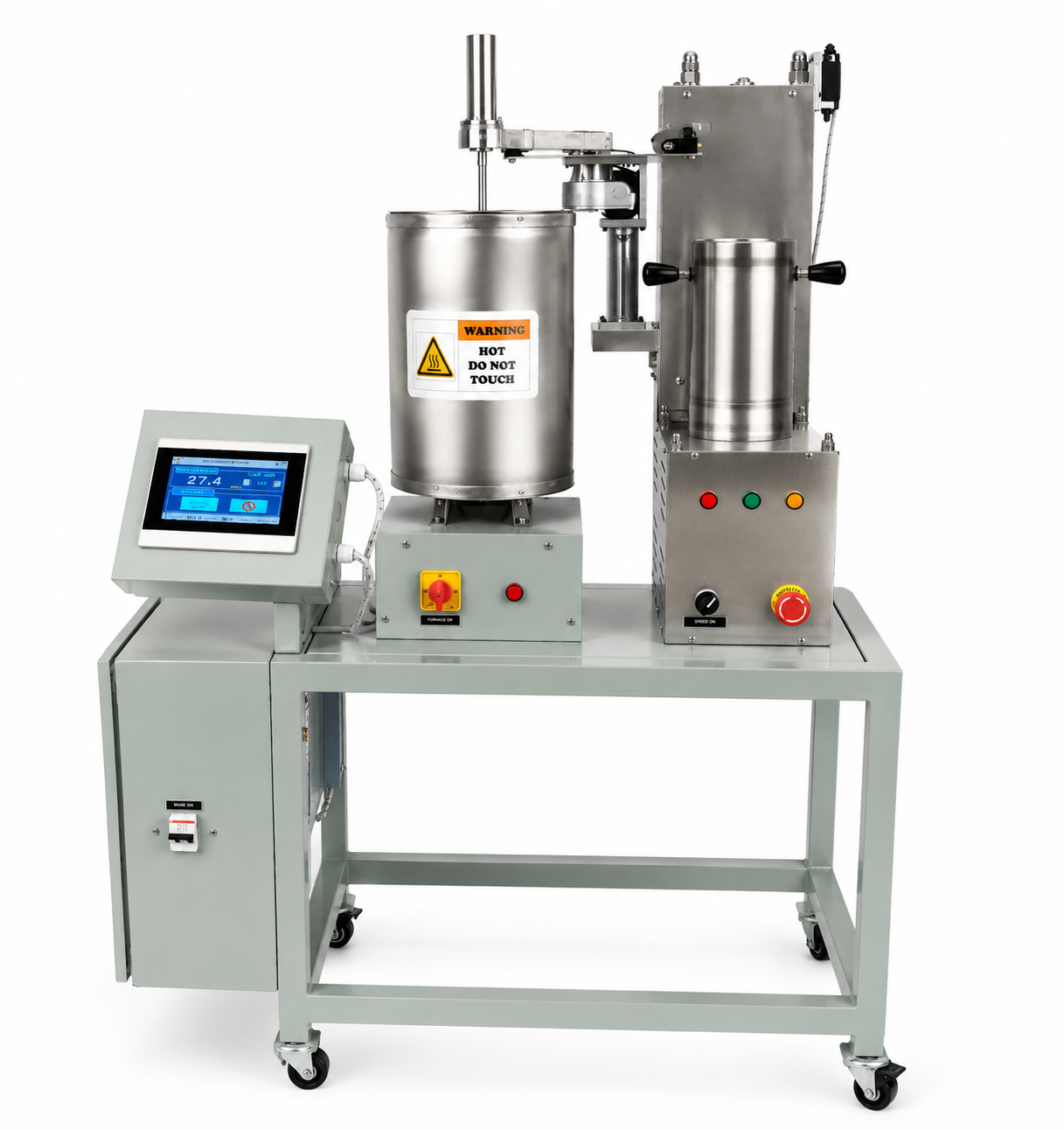
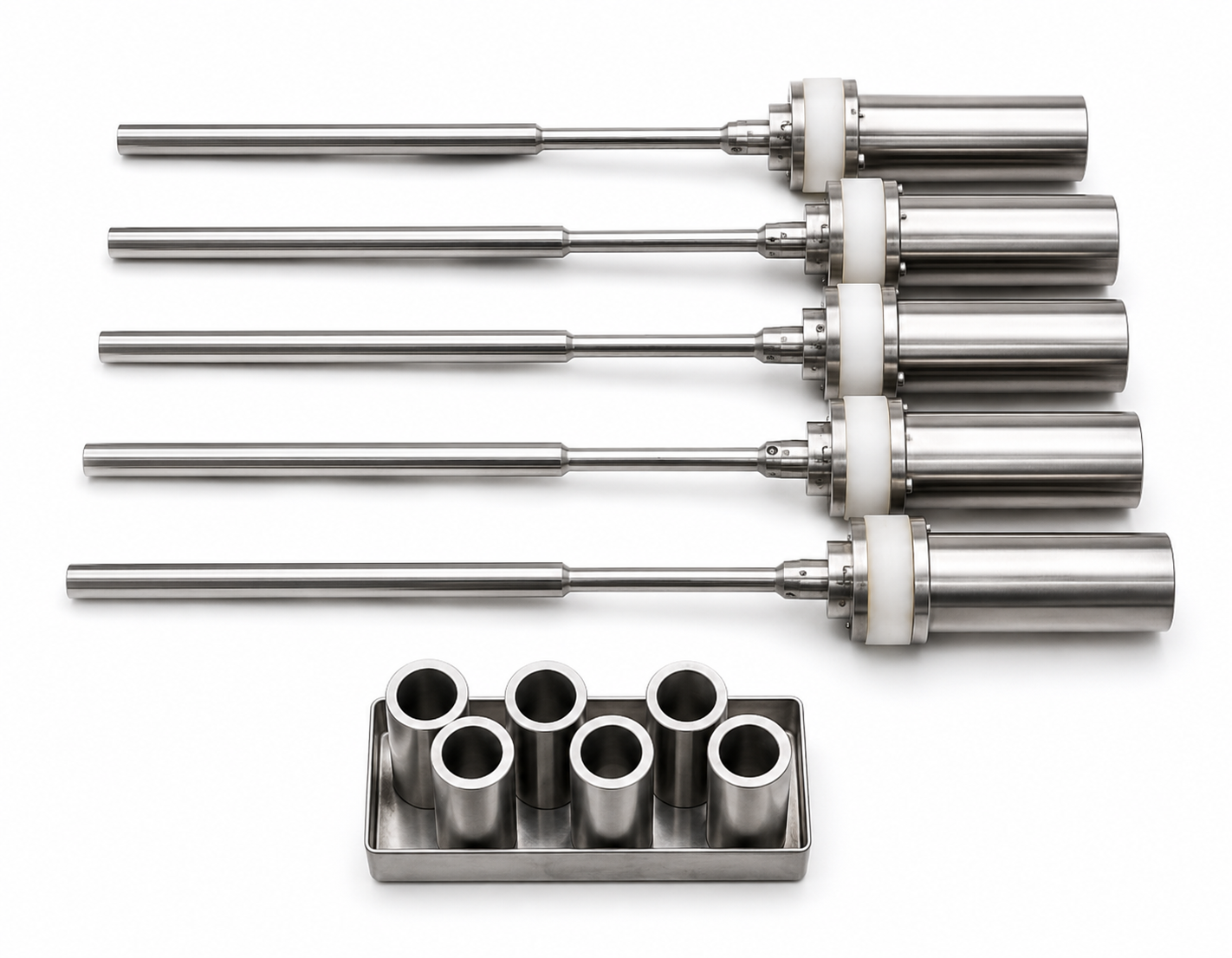
CQI-9 mandates the following apparatus — all requirements are met by ProVaC's Pro-Quenchometer platform.
Reported Parameters
CQI-9 requires the following parameters to be calculated and reported for each test run. ProQuench software computes all of these automatically.
Reference Fluid Limits
These acceptance limits must be met when testing the calibration reference fluid — verifying equipment and probe are within specification.
Who Uses CQI-9?
From global quench oil producers to aerospace forging shops — CQI-9 is relied upon across industries where quenchant quality directly impacts part performance and process safety.
Automotive Heat Treaters
Any heat treatment shop supplying to Ford, GM, or Stellantis must comply with CQI-9. Periodic quench oil testing per ASTM D6200 is a non-negotiable requirement documented in CQI-9 Table A3.
Gear & Drivetrain Manufacturers
Gearbox, axle, and drivetrain component manufacturers are among the highest-volume CQI-9 affected heat treaters — with frequent quench oil monitoring required for case-hardened and through-hardened parts.
Fastener & Precision Parts Producers
Automotive fastener and precision component heat treaters are subject to CQI-9 assessment, requiring documented quench media monitoring to maintain approved supplier status with automotive OEMs.
Captive Heat Treatment Shops
In-house heat treatment departments at Tier 1 and Tier 2 automotive manufacturers must maintain CQI-9 compliance — including regular quench oil cooling curve testing records for every qualifying quench tank.
Heat Treatment Auditors & Quality Teams
Quality engineers and second-party CQI-9 assessors rely on ProQuench reports as documentary evidence of quench media monitoring compliance during heat treatment system assessments.
Global Automotive Supply Chains
CQI-9 compliance is required by OEMs worldwide — not just in the US. ProVaC's equipment and ProQuench software serve automotive heat treaters across India, Europe, Southeast Asia, and the Americas.
Does your industry rely on CQI-9? ProVaC has the right solution for you.
How ProVaC Enables CQI-9 Compliance
Every aspect of CQI-9 is directly addressed by ProVaC's Pro-Quenchometer, Inconel Probes, and ProQuench V3 software.
CQI-9 Ready Reports
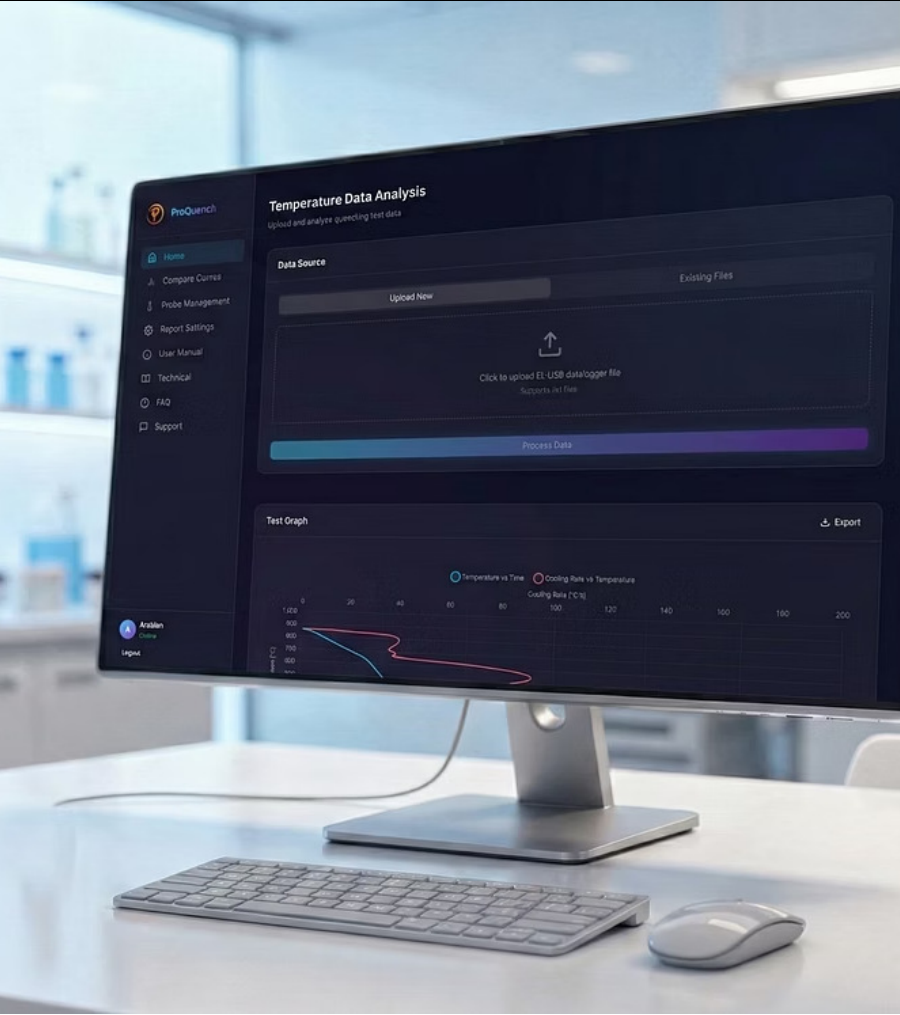
ProQuench software generates CQI-9 compliant quench oil test reports with trending charts, historical data, and parameter comparison against supplier specifications — audit-ready documentation for every Ford, GM, and Stellantis assessment.
Periodic Testing Scheduler
ProQuench's test schedule tracker alerts operators when the next CQI-9 mandated quench oil test is due — ensuring compliance with the minimum 3-month testing frequency required by CQI-9 Table A3.
Quench Oil Trending Charts
ProQuench automatically plots quench oil cooling curve parameters over time, providing the degradation trending data that CQI-9 auditors expect to see — identifying gradual oil breakdown before it affects part quality.
ASTM D6200 Methodology
ProVaC's Pro-Quenchometer follows ASTM D6200 exactly — the test method specified by CQI-9 for quench oil monitoring — ensuring your testing methodology is defensible in Ford, GM, and Stellantis audits.
Full Audit Trail
All test records, probe calibration data, and instrument certificates are stored in ProQuench — providing the complete traceable audit trail required for CQI-9 system assessment and customer QMS audits.
How to Generate a CQI-9 Compliant Report
From probe preparation to signed PDF report — a complete CQI-9 test run with ProVaC equipment takes under 30 minutes.
Schedule CQI-9 Quench Oil Test
ProQuench alerts you when the next CQI-9 mandated quench oil test is due (minimum every 3 months per Table A3). The test record is pre-populated with oil type, batch, and service history from the quench media log.
Verify NABL-Calibrated Inconel Probe
Install the NABL-traceable Inconel 600 probe (12.5 mm × 60 mm) per ASTM D6200. Probe calibration certificate and K-factor are logged in ProQuench — required traceability for CQI-9 audit documentation.
Draw Representative Sample from Production Tank
Collect a representative 2000 mL oil sample from the production quench tank at operating temperature per ASTM D6200 protocol. CQI-9 requires the test to reflect the actual in-service oil condition, not fresh oil.
Run ASTM D6200 Cooling Curve Test
The Pro-Quenchometer runs the full ASTM D6200 test — 850 °C probe → automated transfer → 2000 mL oil bath → cooling curve acquisition. Two duplicate runs are logged automatically per D6200 requirements.
Compare Against Supplier Spec & Baseline Trend
ProQuench calculates all six D6200 parameters, compares them against the quench oil supplier's specification limits, and plots the trend against all previous test results. Deviations >10% from baseline trigger an automatic alert.
Generate CQI-9 Quench Oil Monitoring Report
A CQI-9 compliant PDF report is generated with cooling curve, all parameters, supplier limit comparison, trending chart, NABL probe traceability, and test date/operator signature — fully formatted for CQI-9 Table A3 audit submission.
Ready to Achieve CQI-9 Compliance?
ProVaC's Pro-Quenchometer is precision-engineered to meet every requirement of AIAG CQI-9 4th Edition (2020). Talk to our quenching technology experts for a tailored compliance solution.